Field Case Study · Industrial Wireless · Melbourne
Two correct specs. One connection that was physically impossible.
The Cisco antenna met the NEMA enclosure in the final stage of an industrial wireless installation in Melbourne. The connectors stopped dead. Nobody had made a mistake. The problem existed only in the space between two specifications that had never been checked against each other.
2 specs
Both correct. Neither compatible.
1 night
QLD to VIC overnight freight
0 days
Lost to the programme
1992
Validating Layer 1 interfaces
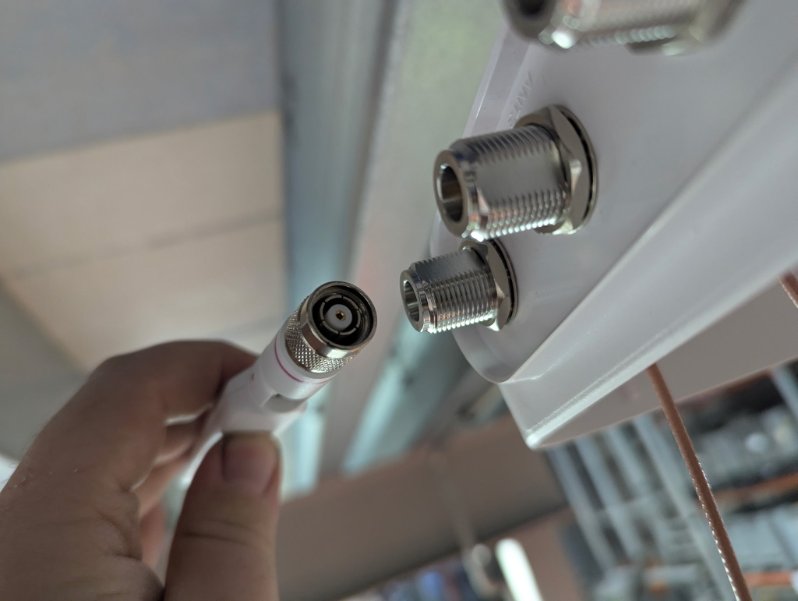
The mismatch at fit-off. The RP-TNC antenna connector cannot mate with the N-type bulkhead port beside it.
Nobody made a mistake. The risk lived in the gap between two specifications that had never been checked against each other.
The situation
Final stage. Fit-off. Two connectors that will not mate.
The installation was in its final stage. Cisco access point antenna infrastructure, customer specified NEMA enclosures, industrial environment, programme deadline in sight. At fit-off, the antenna connectors met the enclosure bulkhead ports and stopped.
The enclosures presented N-type Male ports. The antennas carried RP-TNC Female connectors. Two different connector series, physically incompatible, discovered at the exact moment they needed to mate.
The enclosures and the antenna equipment had been sourced independently, against separate line items, and no single drawing showed the interface between them. The mismatch could not be confirmed until both product sets were physically co-located on site, because the interface itself did not exist anywhere on paper.
RP-TNC Female meets N-type Male. Different series. They will never mate directly.
Why this happens
Both vendors are correct. The risk lives at the interface.
Cisco ships enterprise access points with RP-TNC (reverse polarity TNC) antenna connectors. This is a deliberate regulatory compliance choice, originally driven by requirements that prevent end users fitting non-approved, higher-gain antennas to radio equipment. RP-TNC is the Wi-Fi vendor norm.
Industrial NEMA enclosure manufacturers standardise on N-type bulkhead connectors. N-type is the industrial and carrier RF standard: robust, weather-sealable, rated for the environments these enclosures are built to survive. It is the right connector for the job.
Cisco access points
RP-TNC Female
Reverse polarity TNC. Regulatory compliance choice to prevent non-approved antenna fitment. The Wi-Fi vendor standard.
NEMA enclosures
N-type Male
Industrial and carrier RF standard. Robust, weather-sealable, built for harsh environments. The correct choice for the enclosure.
Both product sets pass their own acceptance criteria. Neither datasheet is wrong. The two were never checked against each other, and the mismatch only exists where they meet.
Interface risk is invisible in any single specification. It only materialises where independently sourced systems physically meet.
The resolution
The right adaptor, overnight, and the programme held.
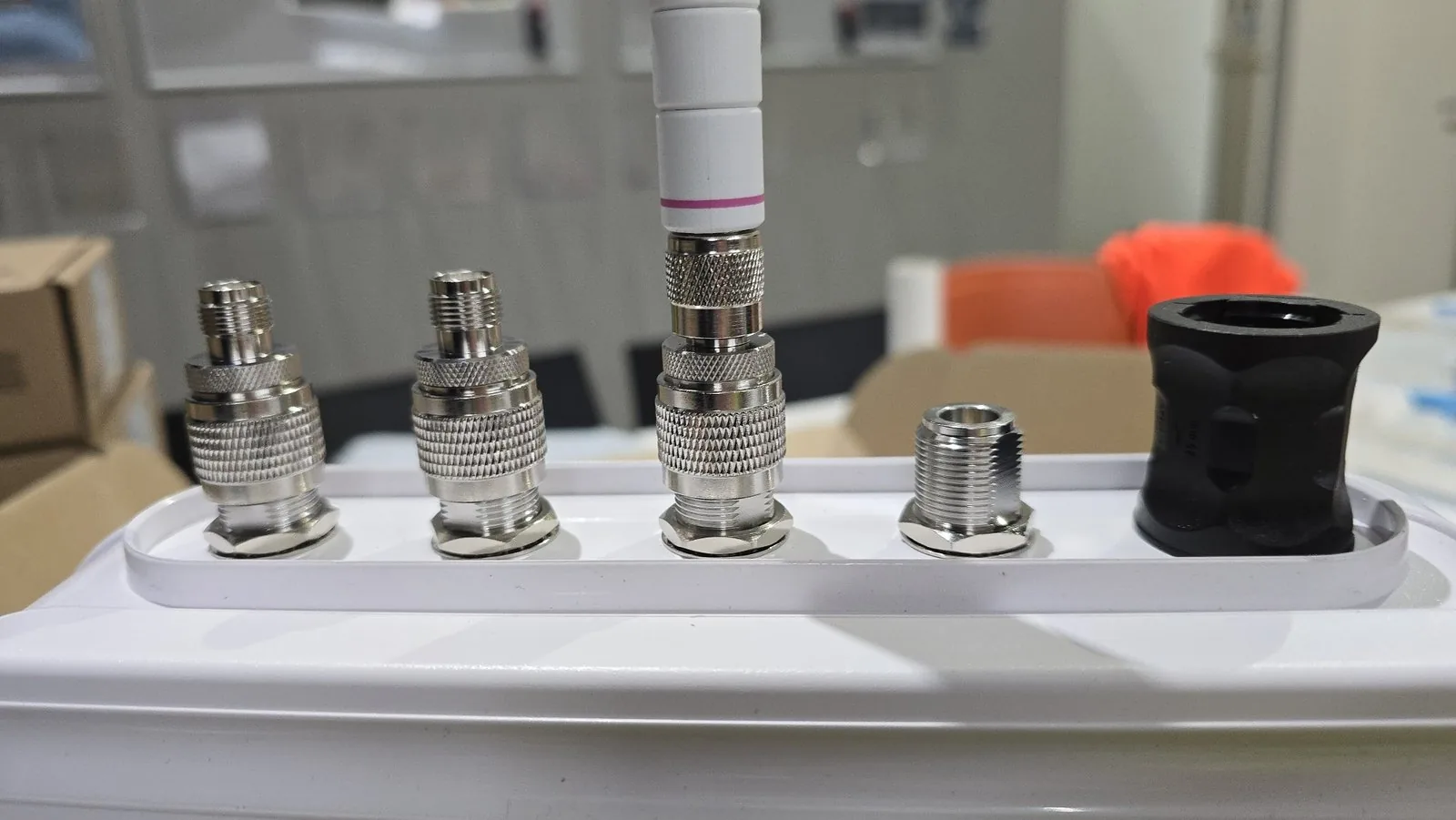
Re-engineering the antenna mounts or returning equipment would have blown the programme. The correct fix was an inter-series RF adaptor: N-type Female on one side to mate with the enclosure's N Male bulkhead, RP-TNC Male on the other to accept the antenna's RP-TNC Female connector.
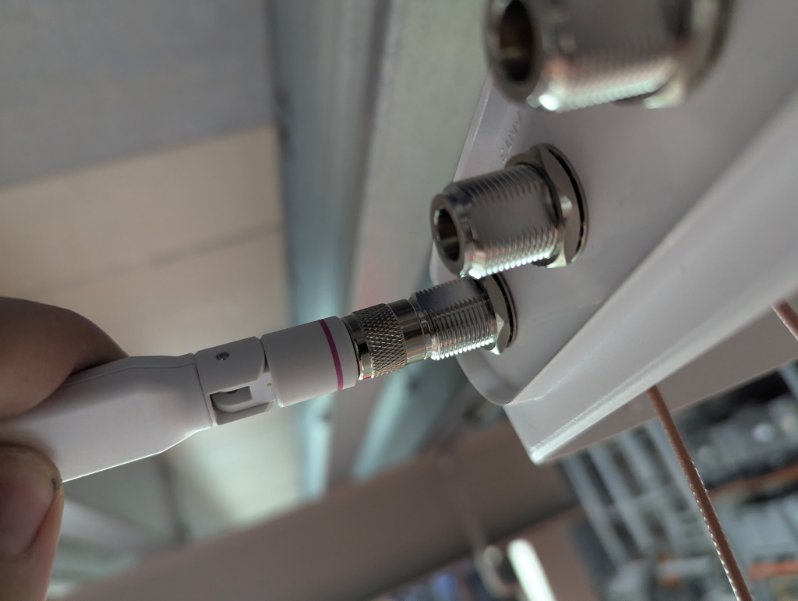
AAA Communications identified the required adaptor specification, confirmed impedance and series compatibility, located stock with a qualified RF supplier in Queensland, and arranged expedited overnight freight to Victoria. The adaptors arrived, fitted first time, and the antenna installation completed on programme.
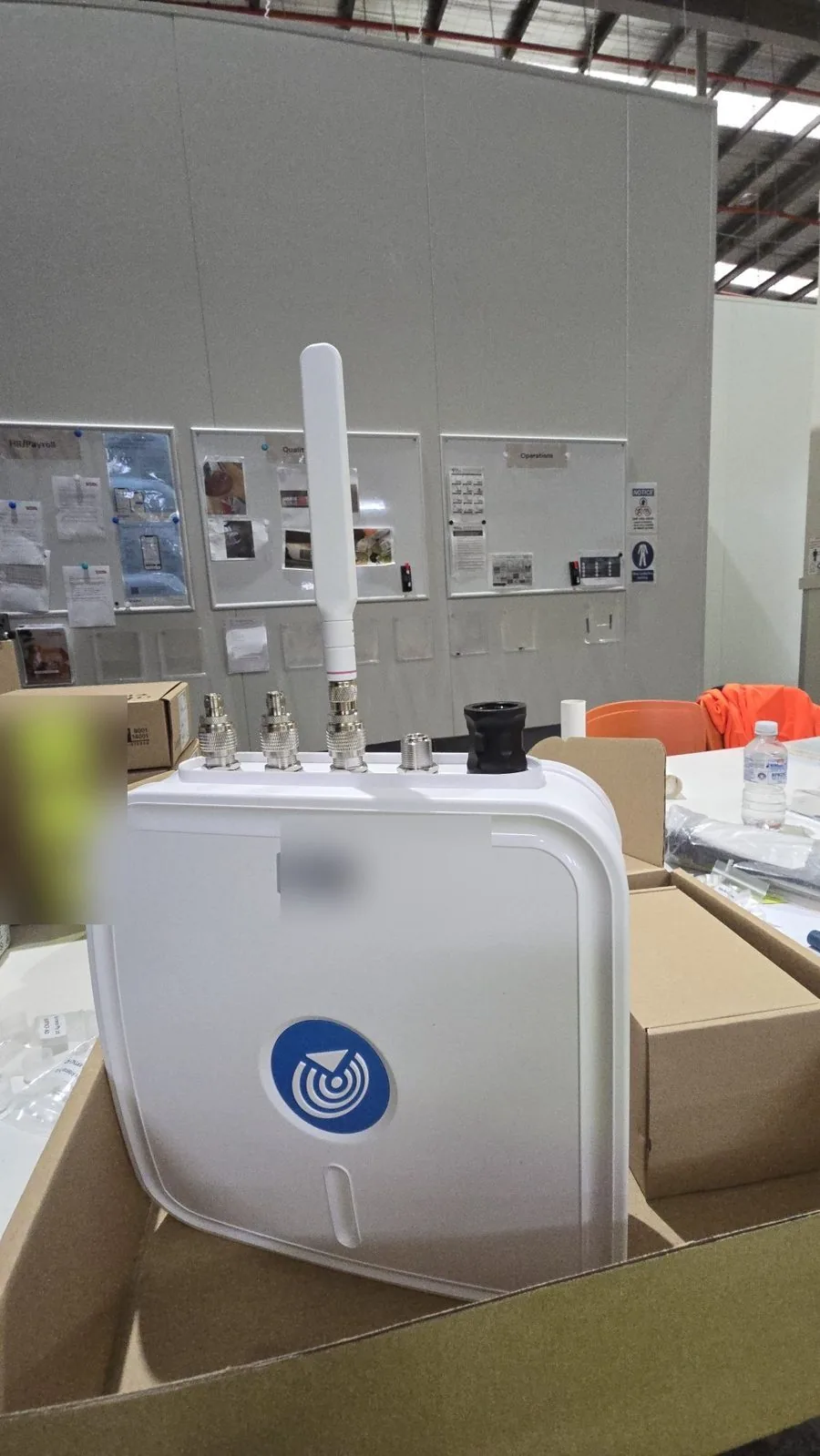
The completed assembly on site. Programme held. Zero days lost.
A short primer
Inter-series and intra-series adaptors, explained.
For engineers who don't live in RF every day, coaxial adaptors fall into two families.
An inter-series adaptor (also called between-series) converts one connector series to a different series. N-type to RP-TNC, as used here, is an inter-series adaptor. These are the tools that resolve specification mismatches between independently sourced equipment.
An intra-series adaptor (within-series) connects two components of the same series. Cable joiners and bulkhead feed-throughs are the most common examples.
Two things matter when specifying either: series and gender must both be confirmed at each side of the interface, and the adaptor must maintain the impedance of the system -- for enterprise Wi-Fi and cellular work, that is 50 ohms. A mechanically perfect adaptor at the wrong impedance is a signal problem you won't see until validation.
The checklist
Catching this before anyone drives to site.
The lesson isn't "carry adaptors." It's that RF interfaces between independently sourced products need explicit validation before mobilisation. On any wireless or in-building cellular installation:
01
Identify every RF interface
Map each point in the design where equipment from different suppliers meets. These interfaces rarely appear on any single drawing, which is exactly why they need to be named.
02
Confirm connector series on both sides
From manufacturer datasheets, not catalogue descriptions. Catalogue copy compresses detail, and "TNC" is not "RP-TNC".
03
Confirm connector gender on both sides
Reverse polarity connectors make this trap worse. RP-TNC swaps the centre contact gender, so male and female don't mean what the housing suggests.
04
Confirm impedance through the chain
Enterprise Wi-Fi and cellular systems run 50 ohms end to end. Any adaptor in the path must hold that.
05
Specify adaptors as bill of materials line items
Where a mismatch exists, the inter-series adaptor is a named part with a part number, not a site consumable someone hopes is in the van.
Ten minutes with two datasheets prevents a site standdown. In this case the mismatch genuinely couldn't have been caught earlier because the interface wasn't documented anywhere -- which is precisely the argument for making interface validation a named step rather than an assumption.
What this means
Validation on paper is not validation at the interface.
Modern infrastructure risk rarely announces itself as a faulty product. It hides in the gaps between correct specifications: the enclosure that meets its standard, the access point that meets its standard, and the connection between them that nobody owned. That is a Layer 1 risk class, and it applies well beyond RF connectors.
Undocumented and unvalidated interfaces are where programmes stall. We have been validating physical infrastructure since 1992, on live business-critical networks, as a single accountable partner nationwide. Our Wi-Fi design and RF validation and in-building 4G and 5G coverage work covers the interfaces as well as the equipment, because the physical layer only proves itself where things actually touch.
Where have you seen a physical interface fail that no drawing ever showed?
Validate the interfaces before site day does.
Planning an in-building wireless or 4G/5G installation? AAA Communications validates the physical layer end to end -- including the interfaces nobody else has drawn. Telstra Partner since 1992.
Straight answers on connector series, gender, impedance, and how to prevent this on your next installation.
Why do Cisco access points use RP-TNC connectors? +
Cisco fits RP-TNC (reverse polarity TNC) connectors as a regulatory compliance measure, originally to prevent end users attaching non-approved or higher-gain antennas to radio equipment. RP-TNC reverses the centre contact gender compared with standard TNC, which makes it deliberately incompatible with common consumer connectors.
Can you connect an RP-TNC antenna to an N-type port? +
Not directly. RP-TNC and N-type are different connector series and will not mate. The connection requires an inter-series RF adaptor, such as an N Female to RP-TNC Male adaptor, matched to the correct gender at each side and maintaining 50 ohm impedance.
What is the difference between an inter-series and intra-series adaptor? +
An inter-series adaptor converts between two different connector series, for example N-type to RP-TNC. An intra-series adaptor connects two components of the same series, such as cable joiners and bulkhead feed-throughs.
How do you prevent connector mismatches on wireless installations? +
Identify every RF interface where independently sourced equipment meets, then confirm connector series, gender, and impedance on both sides from manufacturer datasheets before mobilisation. Where a mismatch exists, specify the correct adaptor as a bill of materials line item with a part number, not a site consumable.